
 PLASTIC
07 Mar Subglandular Breast Augmentation: Technique, Benefits, and Surgical Considerations
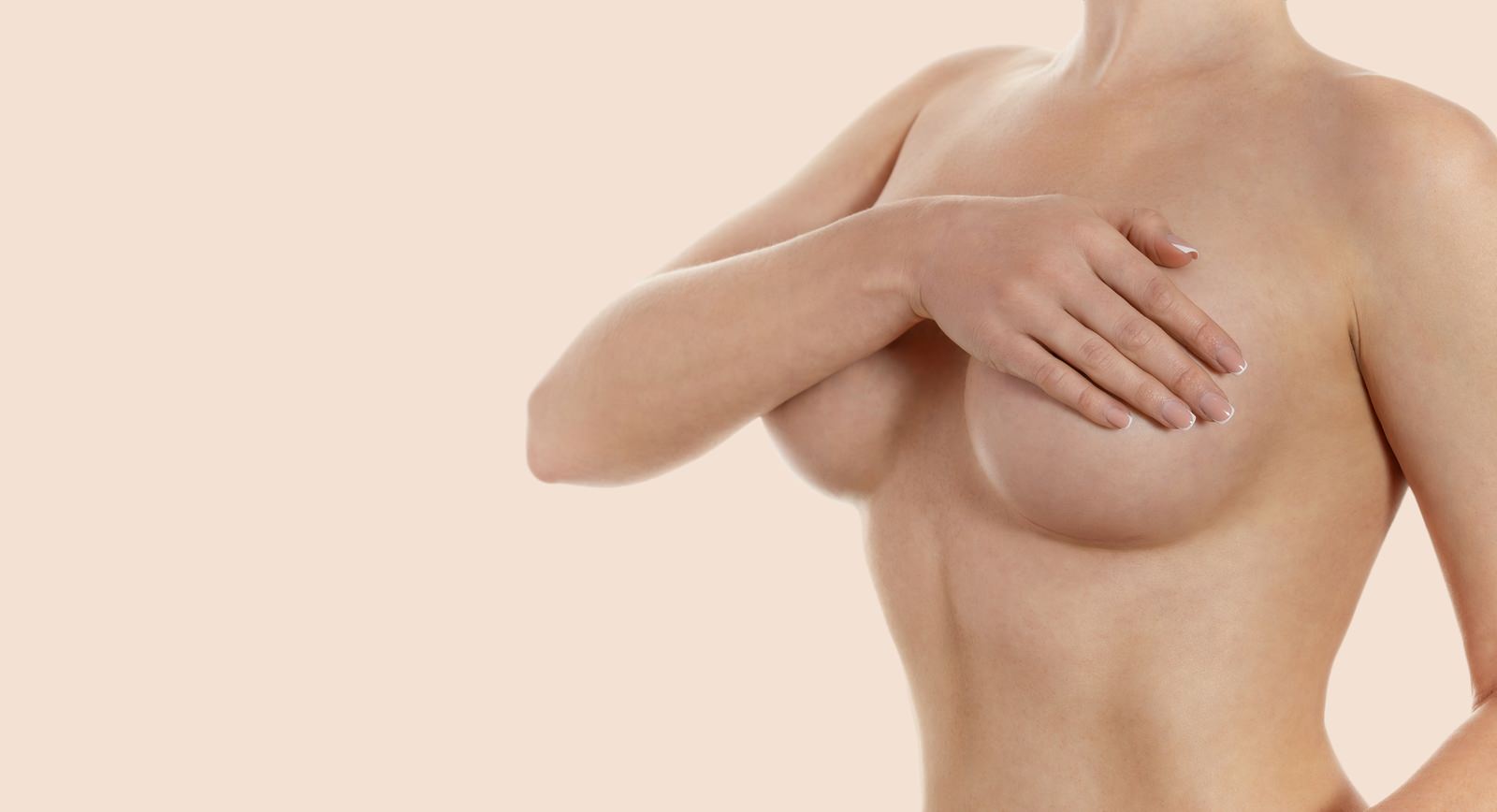
Breast augmentation is not defined solely by implant size or shape — placement technique plays an equally critical role in aesthetic outcome. Subglandular breast augmentation, often referred to as “over-the-muscle” placement, positions the implant above the pectoralis major muscle and beneath the natural breast tissue. When matched to the right candidate, this technique offers distinct advantages in both aesthetics and recovery.
One of the most discussed benefits is the absence of animation deformity. Because the implant is not positioned beneath the muscle, contraction of the pectoralis does not distort breast shape. This makes subglandular placement particularly appealing for athletic patients or individuals whose professions involve repetitive upper-body movement.
Recovery can also be more comfortable. Since the muscle is not surgically elevated, post-operative tightness and functional limitation are often reduced. Patients typically regain upper-body mobility faster compared to submuscular augmentation.
From an aesthetic standpoint, subglandular implants can enhance lower pole fullness and cleavage definition. This placement allows the implant to project more directly through the breast tissue, which can be advantageous in patients seeking pronounced roundness or upper-pole contour.
However, candidacy is crucial. Adequate breast tissue thickness is necessary to provide implant coverage. In patients with thinner tissue envelopes, implant edges or rippling may be more visible. Skin elasticity, chest wall anatomy, and implant selection all influence long-term results.
At PHI Surgery in Montreal, Dr. Perry Gdalevitch conducts detailed anatomical assessments before recommending implant placement. The decision between subglandular and submuscular positioning is guided by tissue characteristics, lifestyle, and aesthetic goals — not a one-technique-fits-all philosophy.
Is subglandular better than submuscular?
It depends on anatomy and goals — both have advantages.
Is recovery faster?
Often yes, due to less muscle involvement.
Will implants look more natural?
Natural appearance depends on tissue coverage and surgical planning. Subglandular augmentation remains a powerful option when properly indicated — delivering shape, projection, and movement stability aligned with patient expectations.