
 PLASTIC
27 Apr Tuberous Breast Correction: Restoring Natural Breast Shape
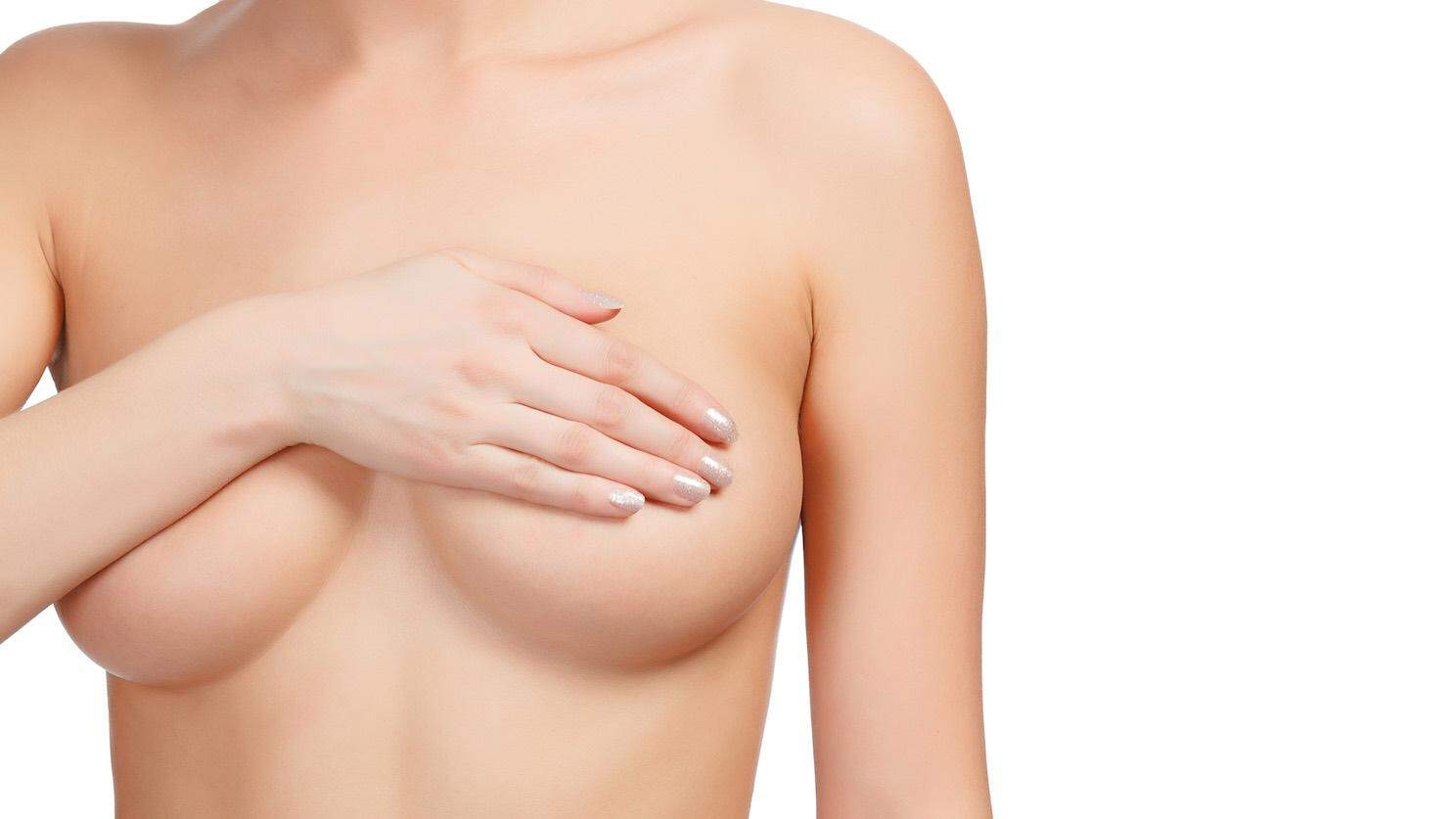
Tuberous breast deformity is a congenital condition that affects breast development during puberty. Rather than expanding evenly across the chest wall, the breast base remains constricted, leading to a narrow footprint, herniation of tissue through the areola, and often significant asymmetry between breasts.
Patients with tuberous breasts may notice elongated breast shape, enlarged or puffy areolas, high inframammary folds, and limited lower pole expansion. The condition varies in severity, ranging from mild constriction to more complex developmental restriction.
Correction requires advanced surgical planning tailored to each anatomical presentation. The procedure often begins with glandular scoring — a technique that releases the constricted internal tissue bands preventing natural expansion. By loosening these structures, surgeons allow the breast base to spread more proportionally.
Implants are frequently used to restore volume and shape after expansion. Implant selection is highly strategic, focusing on lower pole development to correct the constricted contour. In some cases, fat grafting is added to refine transitions and soften implant edges.
Areola reduction or reshaping is commonly integrated into the correction plan, particularly when herniation or enlargement is present. This helps restore proportional nipple-areolar balance.
At PHI Surgery in Montreal, Dr. Perry Gdalevitch approaches tuberous breast correction with a reconstructive mindset — addressing both structural deformity and aesthetic refinement. The objective is to create breasts that appear naturally developed rather than surgically altered.
Recovery follows augmentation timelines, with swelling resolving over several months. Final shape refinement continues as tissues settle.
Tuberous breast correction is transformative — restoring both anatomical proportion and patient confidence.