
 PLASTIC
18 Apr Breast Implant Removal: When and Why Patients Choose Explant Surgery
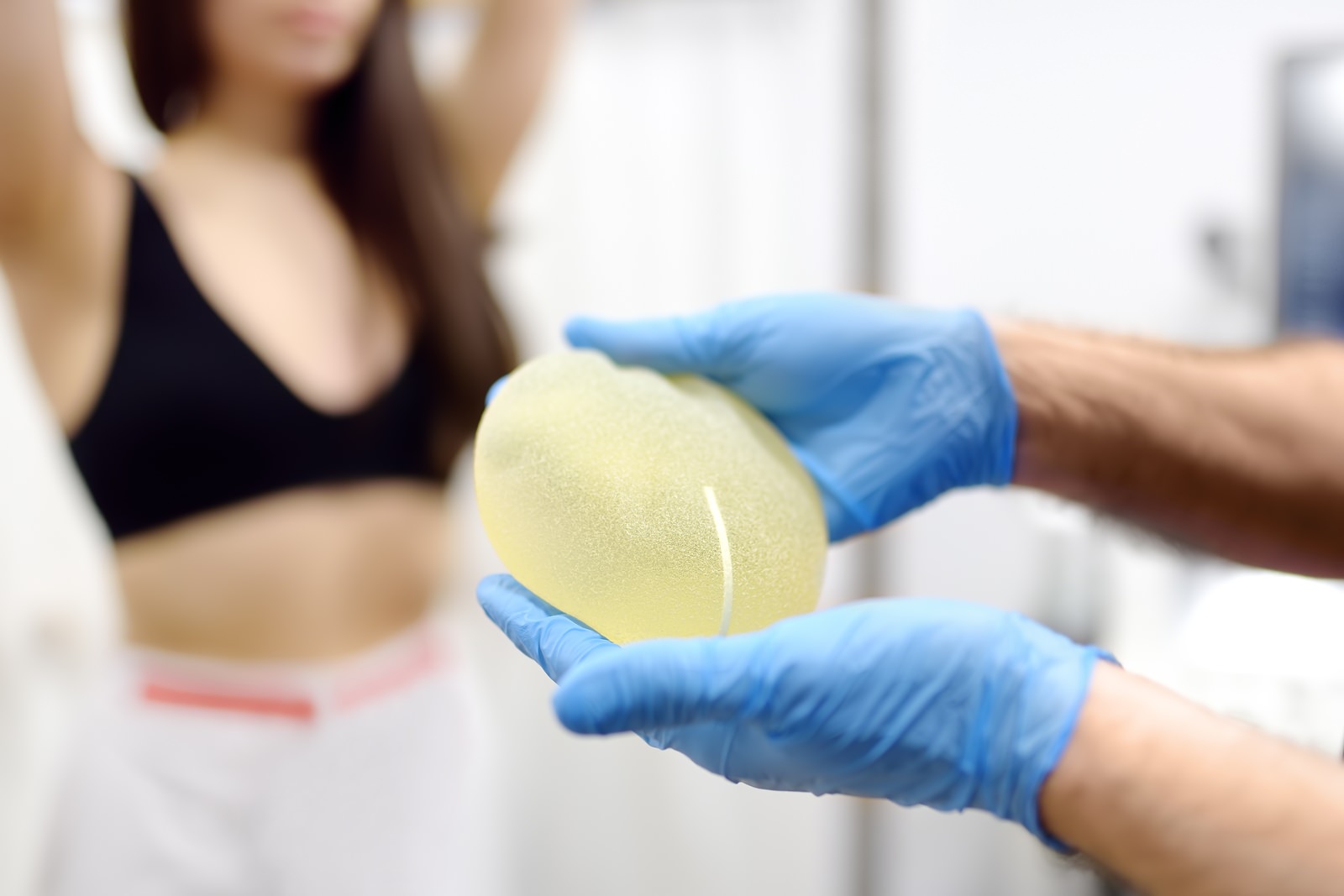
Breast implant removal, commonly referred to as explant surgery, is performed for both medical and personal reasons. While breast augmentation remains a highly satisfying procedure for many patients, others may eventually decide to remove their implants due to lifestyle changes, aesthetic preferences, or health considerations.
One of the most common motivations for explant surgery is a shift in aesthetic goals. Patients who once desired augmented volume may later prefer a more natural breast appearance. Aging, pregnancy, and weight fluctuation can also alter how implants integrate with surrounding tissues, prompting reevaluation of implant presence.
Medical indications represent another important category. Implant rupture, capsular contracture, chronic discomfort, or implant malposition may necessitate removal. In such cases, explant surgery is often combined with capsulectomy — removal of the surrounding scar capsule — to optimize tissue healing and contour restoration.
Surgical planning is highly individualized. Some patients choose implant removal alone, while others combine explant with a breast lift to address skin laxity and restore nipple positioning. The degree of lift required depends on implant size, skin elasticity, and duration of implantation.
At PHI Surgery in Montreal, Dr. Perry Gdalevitch evaluates implant integrity, capsule condition, and soft tissue support before designing an explant strategy. The objective is not only safe implant removal but also preservation or restoration of natural breast contour.
Recovery timelines vary depending on whether capsulectomy or mastopexy is performed concurrently. Swelling and bruising resolve gradually, and patients often resume light activity within one to two weeks.
Explant surgery empowers patients to realign their bodies with evolving preferences or medical needs — restoring comfort, confidence, and anatomical harmony.