
 PLASTIC
17 Aug Abdominoplasty After Major Weight Loss: What to Expect
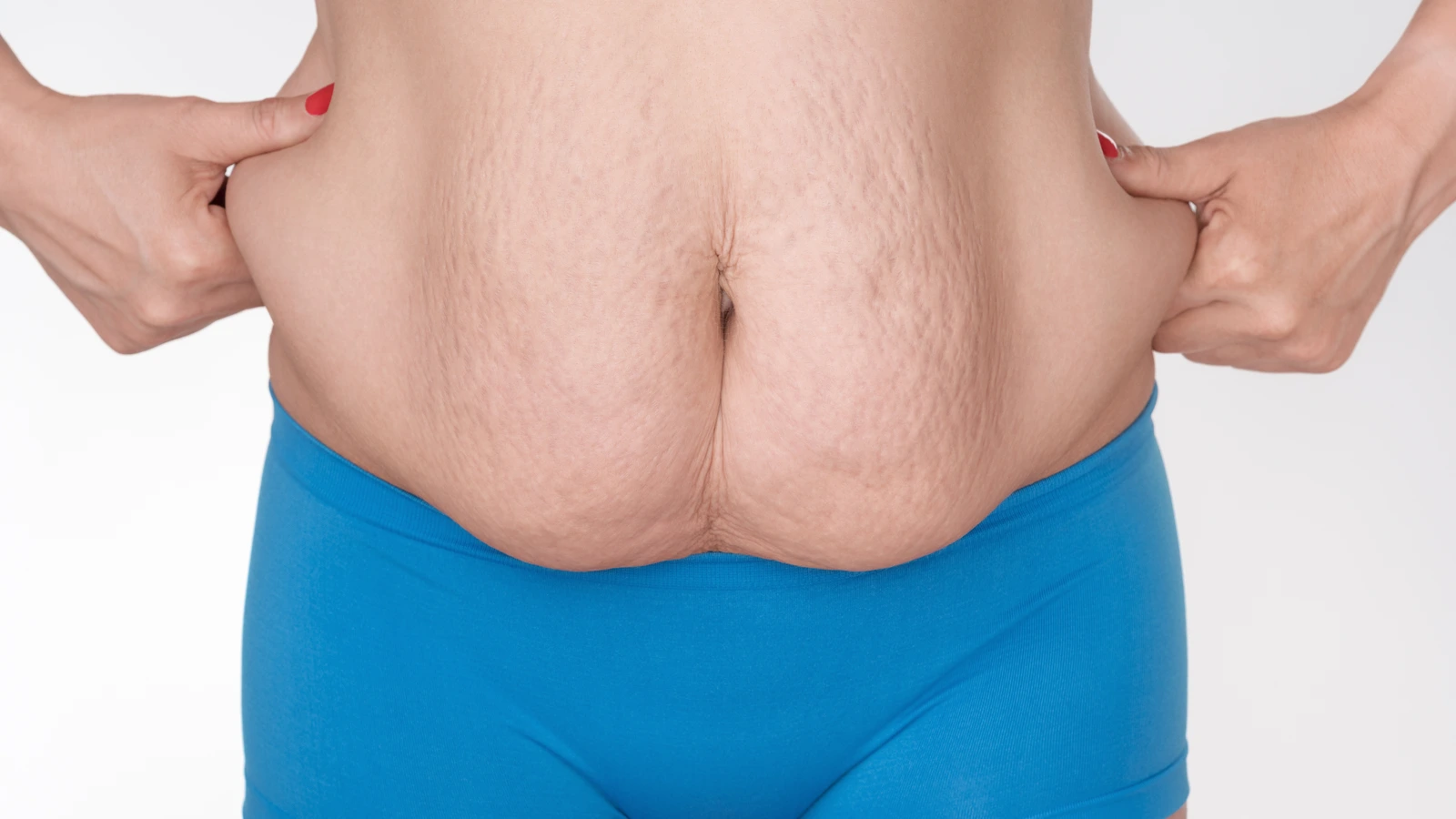
After major weight loss, abdominal skin and deeper tissues may not contract to fit the body’s smaller size. The result can be an overhanging fold, skin irritation, difficulty with clothing or activity, or a contour that does not reflect the change in weight. These concerns are not evidence that weight-loss efforts have failed. Skin elasticity is influenced by genetics, age, pregnancy history, nicotine exposure, the amount and duration of weight change, and other individual factors.
Abdominoplasty can remove excess skin from the front of the abdomen and, when indicated, repair separation in the abdominal wall. It is not a weight-loss operation, and it does not address every pattern of loose skin after substantial weight reduction. Understanding its reach, scars, and recovery is central to deciding whether it fits the patient’s needs.
What a standard abdominoplasty treats
During a full abdominoplasty, an incision is generally placed low across the abdomen. Excess skin and attached tissue are removed, and the remaining skin is advanced downward. The umbilicus usually remains attached to the abdominal wall and is brought through a new opening in the redraped skin. The length of the lower scar depends on how much tissue must be removed and how far laxity extends toward the sides.
The operation can improve a lower abdominal overhang and lax skin above and below the navel. It may also reduce discomfort from skin-on-skin friction, although symptoms and insurance or medical-necessity questions require individual assessment. Stretch marks located on the removed skin may disappear, but marks outside that area remain and can shift position.
An abdominoplasty cannot reliably correct loose skin around the entire torso. Patients whose laxity extends across the flanks, back, buttocks, or thighs may need a different or staged body-contouring plan, such as an extended abdominoplasty or circumferential body lift. Those operations create longer scars and carry a greater recovery burden.
Abdominal wall repair is not automatic
Weight change and pregnancy can be associated with separation between the rectus muscles, known as rectus diastasis. When examination shows laxity of the central abdominal wall, sutures may be used to tighten the fascial layer over the muscles. The muscles themselves are not removed or shortened.
Not every patient needs this step. Abdominal fullness can also come from intra-abdominal fat, posture, skeletal shape, or a hernia. Abdominoplasty does not remove fat from inside the abdomen, and suspected hernias may require additional evaluation. Fascial repair can improve contour and support in selected patients, but it is not a substitute for rehabilitation or a treatment for every form of back pain or core weakness.
Candidacy after major weight loss
Candidates are generally at a stable, maintainable weight and healthy enough for a substantial elective operation. Stability matters because continued loss can create more laxity, while significant gain can stretch the result. The appropriate period of stability is individualized, particularly after bariatric surgery, and nutritional health may need assessment before surgery.
Other considerations include:
- the location and extent of loose skin;
- previous abdominal scars or operations;
- nutritional deficiencies, anaemia, diabetes, and healing history;
- nicotine use, which can significantly impair wound healing;
- current medications and risk of blood clots;
- future pregnancy or major weight-change plans;
- practical support for mobility, meals, household tasks, and lifting restrictions.
After bariatric surgery, protein, iron, vitamin, or other deficiencies may affect healing. These issues should be identified and managed with the appropriate healthcare team rather than addressed through generic supplement advice.
Abdominoplasty, panniculectomy, and liposuction are different
A panniculectomy removes an overhanging apron of lower abdominal skin and tissue. Its goal and extent may differ from an aesthetic abdominoplasty, which more broadly reshapes the front of the abdomen and may include fascial repair. Terminology and eligibility criteria vary, so patients should clarify exactly what operation is being discussed.
Liposuction removes localized subcutaneous fat through small access incisions but does not remove a large skin fold. When skin elasticity is poor after weight loss, liposuction alone can make laxity more apparent. It may be added selectively to an abdominoplasty to refine areas such as the flanks, but combined treatment increases the total surgical scope and is not appropriate for everyone.
Scars and contour trade-offs
The principal trade-off is exchanging loose skin for a permanent scar. After major weight loss, the incision may need to be longer than a patient expects to avoid bunching at its ends. Some patients also have a vertical midline scar when a fleur-de-lis pattern is chosen to address substantial horizontal as well as vertical laxity.
Scar position and length can be planned with typical clothing in mind, but existing anatomy and the amount of tissue removal set limits. Scars are initially more visible and mature over many months. Widening, thickening, asymmetry, or delayed healing can occur.
The operation can create a smoother abdominal contour, but it cannot produce exact symmetry or erase every roll. Natural differences in the rib cage, pelvis, fat distribution, and skin quality remain. Later ageing and weight change also continue to affect the abdomen.
Preparing for a demanding recovery
Abdominoplasty after major weight loss can involve a broad area of tissue and significant tension during early healing. Patients usually walk in a slightly flexed posture at first and gradually straighten as comfort allows. Drains may be used depending on the technique, and a compression garment may be recommended. These details should follow the surgeon’s protocol rather than a generic timetable.
Help at home is especially important for patients responsible for children, pets, or caregiving. Lifting and strenuous activity are restricted during healing, and return to desk work differs from return to a physically demanding job. Swelling can fluctuate for weeks or months before the contour settles.
Risks include bleeding, infection, seroma, delayed wound healing, skin or fat necrosis, contour irregularity, numbness, persistent swelling, unfavourable scarring, and the need for revision. Blood clots and pulmonary complications are particularly important considerations in body-contouring surgery. Risk assessment may affect the extent of surgery that can reasonably be performed in one stage.
Setting an appropriate endpoint after weight loss
Abdominoplasty can remove tissue that does not respond to further diet or exercise, but it should not be framed as completing a transformation or correcting a body that remains unfinished. The purpose is to address defined physical concerns with a clear understanding of scars, limitations, and recovery.