
 PLASTIC
21 Aug Mini Tummy Tuck vs. Full Tummy Tuck: Which Procedure Is Right for You?
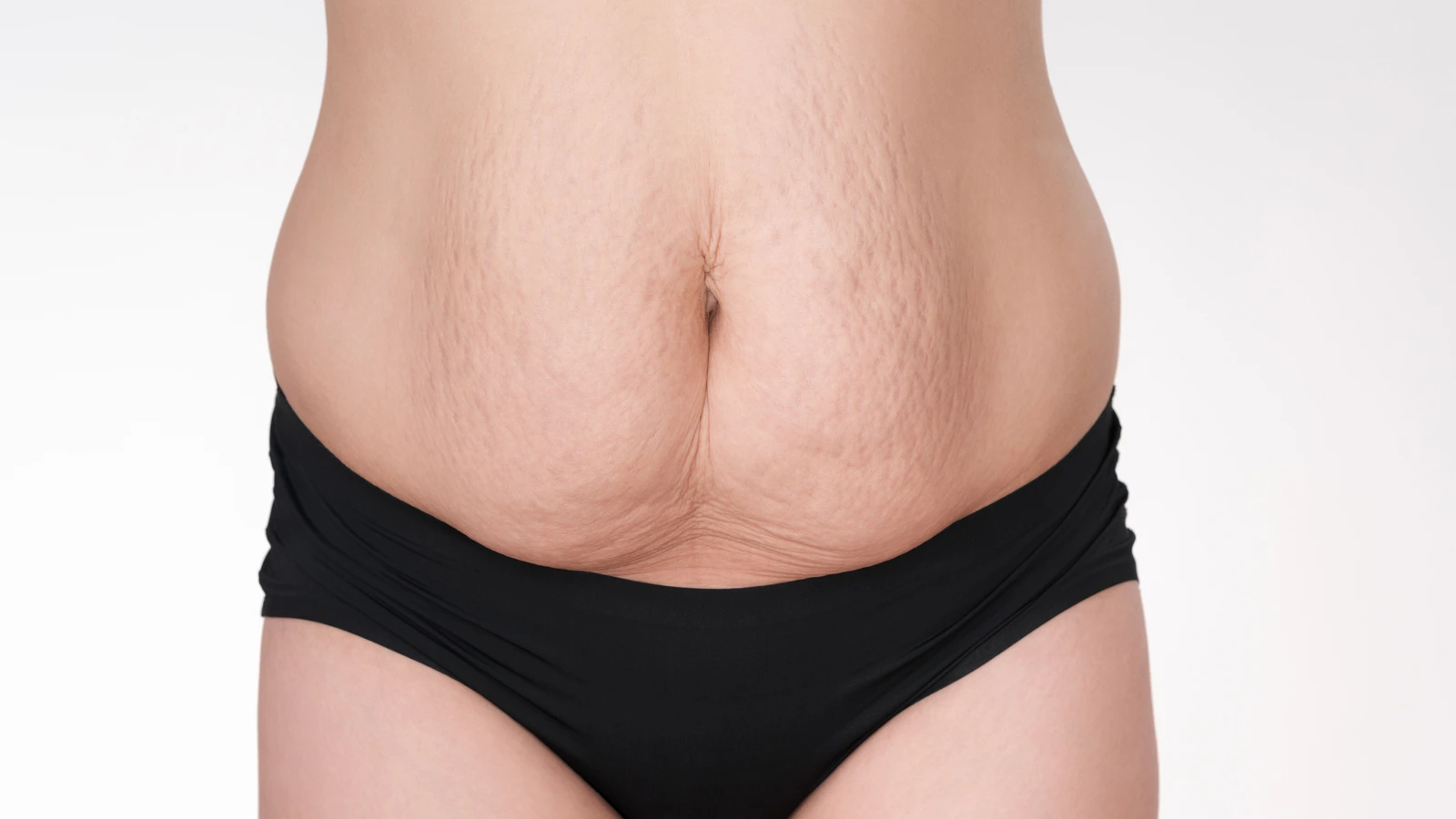
The difference between a mini tummy tuck and a full tummy tuck is not simply the length of the incision or recovery. Each operation treats a different distribution of loose skin and abdominal-wall laxity. A mini abdominoplasty is designed for a relatively limited concern below the navel; a full abdominoplasty addresses a broader area above and below it.
Choosing a mini procedure because it sounds less invasive can lead to an incomplete correction when laxity extends through the upper abdomen. Conversely, a full operation may treat more tissue than necessary when the concern is truly confined to the lower abdomen. The choice should follow the anatomy, not the preferred size of scar.
Comparing mini and full abdominoplasty
| Consideration | Mini tummy tuck | Full tummy tuck |
|---|---|---|
| Main treatment area | Limited lower abdomen below the navel | Upper and lower abdomen |
| Skin removal | Relatively small amount | More extensive, depending on laxity |
| Umbilicus | Usually not brought through a new skin opening, although its position can shift | Usually brought through a new opening after the abdominal skin is redraped |
| Abdominal-wall repair | Limited access below the navel | Broader access when fascial repair is indicated |
| Lower scar | Often shorter, but length depends on the amount of skin removed | Usually longer to manage laxity across the abdomen |
| Typical candidate | Localized lower-abdominal skin excess with good skin quality above | Laxity above and below the navel, often with a larger skin fold or broader wall separation |
These descriptions are general. The terms “mini” and “full” do not specify every technical detail, and scar length cannot be promised before the amount and direction of tissue excess are assessed.
What a mini tummy tuck can address
A mini abdominoplasty removes a modest amount of skin through a low abdominal incision. It may suit someone with a small fold or localized laxity between the navel and pubic area, relatively stable weight, and little or no concern above the navel.
Access to the central abdominal fascia is more limited than in a full operation. Selected lower-wall laxity may be tightened, but a mini procedure is not well suited to substantial separation extending into the upper abdomen. The navel usually remains attached without a visible incision around it, although tightening and skin removal can pull it slightly downward.
“Mini” does not mean scarless or risk-free. Removing skin requires an incision long enough to close the tissues without excessive bunching at the ends. It also remains surgery with anaesthesia, healing restrictions, and possible complications.
What changes with a full tummy tuck
A full abdominoplasty uses a low transverse incision to remove excess skin across a larger portion of the abdomen. The skin is elevated and redraped, and the navel is typically brought through a new opening. When examination identifies rectus diastasis, the fascial layer over the abdominal muscles can be tightened over a wider area.
This operation is more likely to fit patients with lax skin above and below the navel, a lower abdominal overhang, or broader abdominal-wall separation after pregnancy or major weight change. It does not remove internal abdominal fat, guarantee a flat abdomen, or correct loose tissue around the entire torso. Extensive circumferential laxity may require an extended or different body-contouring approach.
How skin location determines the choice
The amount of loose skin matters, but its location and direction matter just as much. Skin that gathers only below the navel may be removable through a mini approach. When laxity originates higher on the abdomen, a small lower excision cannot pull it down evenly. Attempting to limit the scar in that situation can leave residual looseness or create an abrupt contour.
Previous scars also affect mobility and blood supply in the abdominal skin. The surgeon assesses how the tissue moves while the patient is standing and lying down, the position of the navel, and how far laxity extends toward the flanks. A patient’s preferred clothing can inform scar placement, but safe tissue removal determines the final pattern.
Muscle repair: a separate decision
Rectus diastasis is a widening between the paired abdominal muscles within the central connective tissue. It is different from a hernia, although both can be present. Repair is performed in the fascial layer when indicated; the muscles themselves are not routinely cut or shortened.
A full tummy tuck provides wider exposure for repair above and below the navel. A mini operation offers more limited access and is not interchangeable when upper-wall laxity is important. Not every patient needs repair, and abdominoplasty is not a universal treatment for core weakness, back pain, or abdominal fullness caused by internal fat.
Where liposuction fits
Liposuction can reduce localized subcutaneous fat but cannot remove a substantial skin fold. It may be combined with either type of abdominoplasty to refine the flanks or selected neighbouring areas when blood supply, operative scope, and patient health permit.
Adding liposuction does not convert a mini procedure into a full skin-tightening operation. In someone with poor elasticity, removing fat without adequate skin management can make laxity more visible. Combination treatment also increases the areas that swell and bruise and must be considered in the overall safety plan.
Recovery and risks
A mini tummy tuck may involve a smaller treatment area, but recovery is not universally short. Fascial repair, added liposuction, the patient’s work, and individual healing can matter more than the label. Both procedures can involve tightness, swelling, bruising, altered sensation, and temporary limits on standing fully upright, lifting, and exercise.
A full abdominoplasty generally creates a broader healing surface and may require more home support. Drains or compression garments may be used according to the operative plan. Return to desk work is different from readiness for physical labour or caregiving, so practical arrangements should be made before surgery.
Risks include bleeding, infection, seroma, delayed healing, skin or fat necrosis, numbness, asymmetry, contour irregularity, thick or widened scars, and revision. Blood clots and pulmonary complications are important risks of abdominal contouring. Nicotine exposure, health conditions, previous surgery, and combining procedures can alter the risk profile.
The smallest appropriate operation
The aim is not to qualify for a mini tummy tuck; it is to select the least extensive operation that can reasonably address the actual concern. For a narrow group of patients, that is a mini abdominoplasty. When loose skin or abdominal-wall laxity extends above the navel, a full procedure is often the more coherent option despite its longer scar and recovery.